
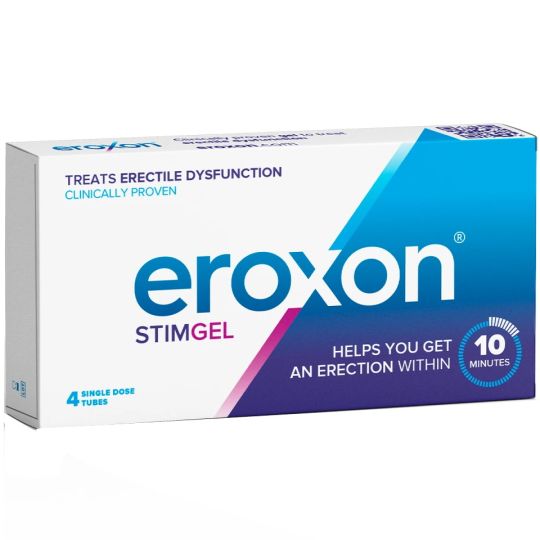
Eroxon Stimgel - 4 Pack
From £19.89
10% OFF
All Treatments
Account
Overview
Account
Overview
Treatments
Account
Sildenafil has been extensively studied since its development in the 1990s, with decades of clinical research demonstrating its efficacy and safety profile for treating erectile dysfunction. Originally discovered during cardiovascular research, sildenafil's effectiveness for ED emerged through rigorous clinical trials involving thousands of participants worldwide. The extensive body of research evidence supports sildenafil as a first-line treatment, with studies showing consistent results across diverse patient populations and underlying health conditions.
From £19.89
From £3.99

From £28.99

From £22.99

From £27.99

From £44.99

From £23.99

From £8.49
From £32.99


When PDE5 is suppressed, blood is able to flow more freely through the body—including to the (you guessed it) penis.

More blood flow to the penis means harder, more satisfying erections once you're sexually stimulated.
Sildenafil's journey from laboratory to medicine cabinet represents one of pharmaceutical research's most thoroughly documented success stories. Initially developed by Pfizer researchers investigating treatments for angina, sildenafil's unexpected effects on erectile function led to pivotal clinical trials in the mid-1990s. The largest Phase III trials involved over 3,000 men with erectile dysfunction of various causes, establishing the foundation for regulatory approval worldwide.
These early studies employed rigorous double-blind, placebo-controlled methodologies, considered the gold standard in medical research. Participants were randomly assigned to receive either sildenafil or inactive placebo tablets, with neither patients nor researchers knowing which treatment was being administered. This approach eliminated bias and provided reliable evidence of sildenafil's true effectiveness compared to psychological factors alone.
Research demonstrates sildenafil's effectiveness across diverse patient groups, with success rates typically ranging from 70-80% depending on underlying causes of erectile dysfunction. Studies involving men with diabetes, a condition that commonly affects erectile function, showed success rates of approximately 60-70%. For men with spinal cord injuries, research indicated positive responses in 75-83% of participants, whilst those with cardiovascular disease showed improvement rates of 70-75%.
Age-related efficacy studies reveal interesting patterns in sildenafil's performance. Research involving men aged 18-65 demonstrated consistent effectiveness across age groups, though older participants sometimes required dose adjustments. Studies specifically examining men over 65 showed success rates of 60-70%, indicating that age alone doesn't preclude effective treatment with sildenafil.
Extensive long-term studies spanning multiple years have established sildenafil's safety profile through real-world evidence. Post-marketing surveillance data, collected from millions of prescriptions worldwide since 1998, provides comprehensive insight into both common and rare adverse effects. The most frequently reported side effects—headache, facial flushing, and indigestion—typically affect fewer than 10% of users and often diminish with continued treatment.
Cardiovascular safety research has been particularly thorough given sildenafil's mechanism of action affecting blood vessels. Large-scale studies examining men with existing heart conditions found no increased risk of cardiovascular events when sildenafil was used appropriately. However, this research also confirmed the critical importance of avoiding nitrate medications, which can cause dangerous blood pressure drops when combined with sildenafil.
Bioequivalence studies mandated by regulatory authorities demonstrate that generic sildenafil formulations deliver identical therapeutic outcomes to branded Viagra. These studies measure drug absorption rates, peak blood concentrations, and duration of action, confirming that generic versions meet strict pharmaceutical equivalence standards. EverydayMeds offers both branded Viagra and generic sildenafil options, allowing patients to choose based on personal preference whilst maintaining therapeutic confidence.
Research comparing patient satisfaction between branded and generic sildenafil shows no significant differences in perceived effectiveness or side effect profiles. Studies indicate that patient choice between formulations often depends on factors such as cost considerations, brand familiarity, or personal preference rather than clinical differences, since both contain identical active ingredients manufactured to the same quality standards.
Scientific research has thoroughly elucidated sildenafil's mechanism of action as a selective phosphodiesterase type 5 (PDE5) inhibitor. Studies using advanced imaging techniques demonstrate how sildenafil enhances blood flow to penile tissues by preventing the breakdown of cyclic guanosine monophosphate (cGMP), a crucial chemical messenger in the erection process. This research explains why sexual arousal remains necessary—sildenafil amplifies natural physiological responses rather than creating artificial erections.
Molecular studies reveal sildenafil's selectivity for PDE5 enzymes, explaining both its effectiveness for erectile dysfunction and its side effect profile. Research shows that whilst sildenafil primarily targets PDE5 found in penile blood vessels, it also has mild activity against similar enzymes in other tissues, explaining temporary effects on vision or blood pressure that some users experience.
Clinical trials examining optimal dosing strategies provide evidence-based guidance for prescribers. Studies comparing 25mg, 50mg, and 100mg doses demonstrate that most men achieve satisfactory results with 50mg, though individual responses vary significantly. Research indicates that starting with lower doses and adjusting based on effectiveness and tolerability provides the best balance of efficacy and side effect minimisation.
Timing studies reveal that sildenafil typically becomes effective 30-60 minutes after administration, with peak effects occurring 1-2 hours post-dose. Research examining food interactions confirms that high-fat meals can delay absorption, leading to evidence-based recommendations about optimal timing relative to meals and sexual activity.
It's one of the most common conditions we treat, and one of the most treatable.

Achieve your goals in just a few simple steps.

Select safe UK treatments. Quick answers.

Our expert team will use your consultation as the basis of our recommendation and communicate with you.

We’ll deliver direct to you, as quickly as tomorrow.