
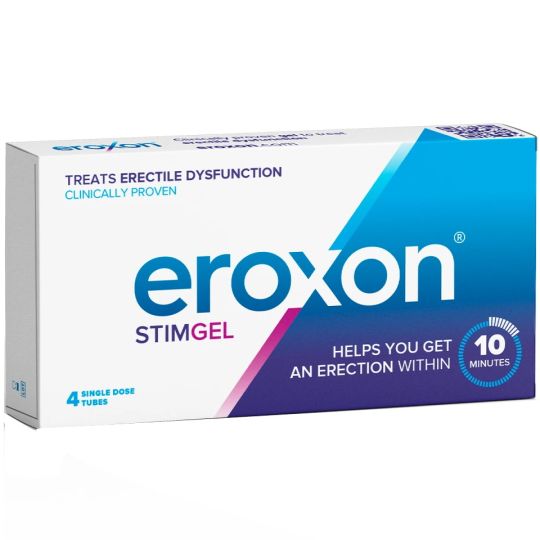
Eroxon Stimgel - 4 Pack
From £19.89
10% OFF
All Treatments
Account
Overview
Account
Overview
Treatments
Account
Proper storage of sildenafil oral jelly is essential for maintaining its effectiveness and safety. Unlike traditional tablets, oral jelly formulations require specific storage conditions to preserve their potency and prevent degradation. Following correct storage guidelines ensures your medication remains effective when you need it. EverydayMeds offers both branded Viagra and generic sildenafil options to suit your preferences and budget.
From £19.89
From £3.99

From £28.99

From £22.99

From £27.99

From £44.99

From £23.99

From £8.49
From £32.99


When PDE5 is suppressed, blood is able to flow more freely through the body—including to the (you guessed it) penis.

More blood flow to the penis means harder, more satisfying erections once you're sexually stimulated.
Sildenafil oral jelly should be stored at room temperature between 15-25°C (59-77°F). Unlike some medications that require refrigeration, sildenafil oral jelly can be damaged by cold temperatures. Avoid storing sachets in bathrooms, kitchens, or near radiators where temperature fluctuations are common. High humidity environments can compromise the sachet seal and affect the gel consistency.
Direct sunlight and UV exposure can degrade the active ingredient in sildenafil oral jelly. Store sachets in their original packaging or a dark, dry place such as a bedroom drawer or cupboard. Never remove sachets from protective foil until ready to use, as this packaging provides essential moisture protection. If a sachet appears damaged or swollen, do not use the contents.
Only open sildenafil oral jelly sachets immediately before consumption. Once opened, the contents should be used within minutes to prevent contamination. Never store opened sachets or attempt to save partial doses. Each sachet contains a single measured dose designed for immediate use. If you're choosing between treatments, EverydayMeds offers both Viagra tablets and generic sildenafil in various formats during checkout.
Always check expiry dates before use and dispose of expired medication safely through your local pharmacy. Keep all sildenafil products away from children and pets. If you notice changes in colour, texture, or smell, discontinue use immediately. Store your medication in a secure location, as sildenafil requires a prescription and should not be shared with others.
When travelling, carry sildenafil oral jelly in hand luggage to maintain temperature control. Avoid leaving medication in cars where temperatures can fluctuate dramatically. For extended travel, consider whether traditional tablet forms might be more practical, as these are generally more stable in varying conditions.
It's one of the most common conditions we treat, and one of the most treatable.

Achieve your goals in just a few simple steps.

Select safe UK treatments. Quick answers.

Our expert team will use your consultation as the basis of our recommendation and communicate with you.

We’ll deliver direct to you, as quickly as tomorrow.