
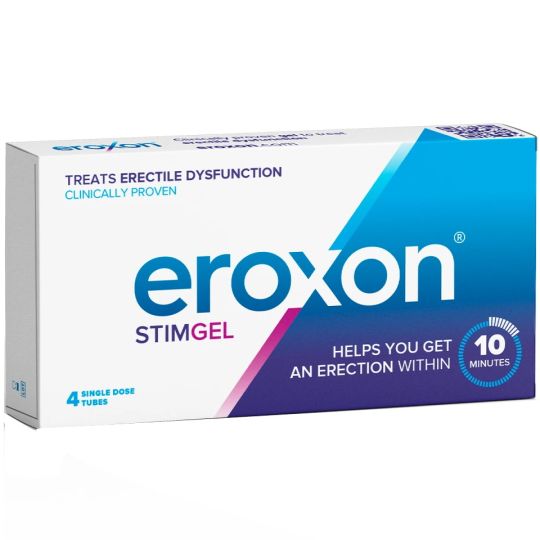
Eroxon Stimgel - 4 Pack
From £19.89
10% OFF
All Treatments
Account
Overview
Account
Overview
Treatments
Account
Understanding how Viagra and sildenafil work requires examining decades of clinical research. Originally developed for cardiovascular conditions, sildenafil's effectiveness for erectile dysfunction was discovered through rigorous scientific studies. This evidence-based approach continues today, with ongoing research supporting both branded Viagra and generic sildenafil as proven treatments for ED when prescribed appropriately.
From £19.89
From £3.99

From £28.99

From £22.99

From £27.99

From £44.99

From £23.99

From £8.49
From £32.99


When PDE5 is suppressed, blood is able to flow more freely through the body—including to the (you guessed it) penis.

More blood flow to the penis means harder, more satisfying erections once you're sexually stimulated.
Sildenafil's journey began in Pfizer's laboratories during the 1980s as researchers investigated treatments for angina and high blood pressure. Clinical trials revealed an unexpected side effect - improved erectile function in male participants. This serendipitous discovery led to extensive research specifically targeting erectile dysfunction, ultimately resulting in Viagra becoming the first oral PDE5 inhibitor approved for ED treatment.
The science behind sildenafil centres on phosphodiesterase type 5 (PDE5) enzyme inhibition. During sexual arousal, nitric oxide releases in penile tissue, triggering cyclic guanosine monophosphate (cGMP) production. This chemical messenger relaxes smooth muscle in blood vessels, increasing blood flow. PDE5 normally breaks down cGMP, but sildenafil blocks this process, maintaining enhanced circulation. This mechanism requires sexual stimulation to be effective - the medication doesn't cause automatic erections.
Extensive clinical trials involving thousands of participants demonstrate sildenafil's effectiveness across various ED causes. Studies show 60-80% of men experience improved erectile function, with response rates varying based on underlying health conditions. Research indicates effectiveness remains consistent whether using branded Viagra or generic sildenafil, as both contain identical active ingredients. EverydayMeds offers both options, allowing patients to choose based on preference and budget during checkout.
Clinical studies established the 25mg, 50mg, and 100mg dosing schedule, with 50mg typically recommended as the starting dose. Research shows this can be adjusted upward to 100mg or reduced to 25mg based on individual response and tolerability. Studies confirm the maximum one-dose-per-24-hours safety protocol, with optimal timing being 30-60 minutes before anticipated sexual activity.
Decades of post-market surveillance confirm sildenafil's safety profile when prescribed appropriately. However, research identifies critical contraindications, particularly with nitrate medications used for angina. This combination can cause dangerous blood pressure drops, making medical assessment essential before treatment. Studies also highlight the importance of cardiovascular evaluation, as ED often correlates with heart disease risk factors.
Current research continues exploring sildenafil's applications and optimising treatment protocols. Studies investigate combination therapies, alternative dosing schedules, and effectiveness in specific patient populations. This ongoing scientific scrutiny ensures treatment recommendations remain evidence-based and clinically relevant.
It's one of the most common conditions we treat, and one of the most treatable.

Achieve your goals in just a few simple steps.

Select safe UK treatments. Quick answers.

Our expert team will use your consultation as the basis of our recommendation and communicate with you.

We’ll deliver direct to you, as quickly as tomorrow.