
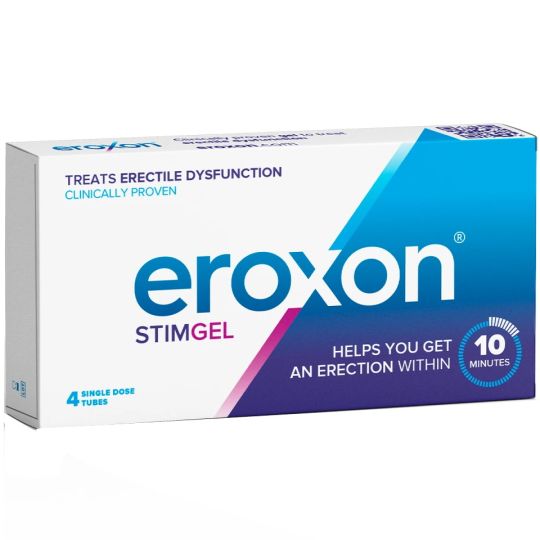
Eroxon Stimgel - 4 Pack
From £19.89
10% OFF
All Treatments
Account
Overview
Account
Overview
Treatments
Account
Extensive clinical research demonstrates sildenafil's effectiveness for erectile dysfunction treatment. Originally developed by Pfizer as Viagra, this PDE5 inhibitor has over 25 years of clinical data supporting its safety and efficacy. Understanding the scientific evidence helps patients make informed decisions about ED treatment. EverydayMeds offers both Viagra (branded) and sildenafil (generic) following online consultation with UK-licensed prescribers.
From £19.89
From £3.99

From £28.99

From £22.99

From £27.99

From £44.99

From £23.99

From £8.49
From £32.99


When PDE5 is suppressed, blood is able to flow more freely through the body—including to the (you guessed it) penis.

More blood flow to the penis means harder, more satisfying erections once you're sexually stimulated.
Sildenafil's journey from cardiovascular research to ED treatment began in the 1990s with pivotal clinical trials. The original Phase III studies involved over 3,000 men with erectile dysfunction of various causes, demonstrating significant improvement in erectile function compared to placebo. These foundational studies showed that approximately 70-85% of men experienced improved erections sufficient for sexual intercourse when taking sildenafil.
Subsequent real-world studies have consistently validated these findings across diverse patient populations. Research published in the British Journal of Urology International found that sildenafil maintains effectiveness across different age groups, with success rates remaining substantial even in men over 65 years old. The medication has shown particular efficacy in diabetes-related ED, where studies indicate 60-70% of diabetic men achieve satisfactory erections with appropriate dosing.
Extensive cardiovascular safety studies have been crucial given ED's association with heart disease risk factors. The landmark study published in the New England Journal of Medicine examined over 14,000 men with cardiovascular risk factors, finding no increased cardiac events when sildenafil was used appropriately. However, the research confirmed absolute contraindications with nitrate medications due to potentially dangerous blood pressure drops.
UK-specific studies have examined sildenafil's safety profile within NHS populations. Research conducted across multiple UK centres demonstrated that proper patient screening effectively identifies suitable candidates whilst excluding those with contraindications. The studies emphasise that clinical assessment remains essential for safe prescribing, particularly regarding cardiovascular health and drug interactions.
Bioequivalence studies mandated by the MHRA confirm that generic sildenafil contains identical active ingredients to branded Viagra. These studies demonstrate equivalent blood concentration levels, onset times, and clinical effects between branded and generic formulations. Patients can therefore choose between branded Viagra or generic sildenafil based on personal preference, with both options offering the same therapeutic benefits.
Clinical research has also examined patient satisfaction levels with both formulations. Studies indicate that switching between branded and generic sildenafil does not affect treatment outcomes, allowing patients flexibility in their treatment choices. This evidence supports EverydayMeds' approach of offering both options during the consultation process.
Dose-response studies have established evidence-based guidelines for sildenafil prescribing. Clinical trials comparing 25mg, 50mg, and 100mg doses showed that 50mg provides the optimal balance of effectiveness and tolerability for most men. However, individual response varies, with some patients requiring dose adjustment based on efficacy and side effect profile.
Research indicates that factors including age, underlying health conditions, and concurrent medications may influence optimal dosing. Studies have shown that men over 65 or those with liver impairment may benefit from lower starting doses, whilst others may require the maximum 100mg dose for optimal results. This evidence supports individualised treatment approaches following thorough clinical assessment.
It's one of the most common conditions we treat, and one of the most treatable.

Achieve your goals in just a few simple steps.

Select safe UK treatments. Quick answers.

Our expert team will use your consultation as the basis of our recommendation and communicate with you.

We’ll deliver direct to you, as quickly as tomorrow.