
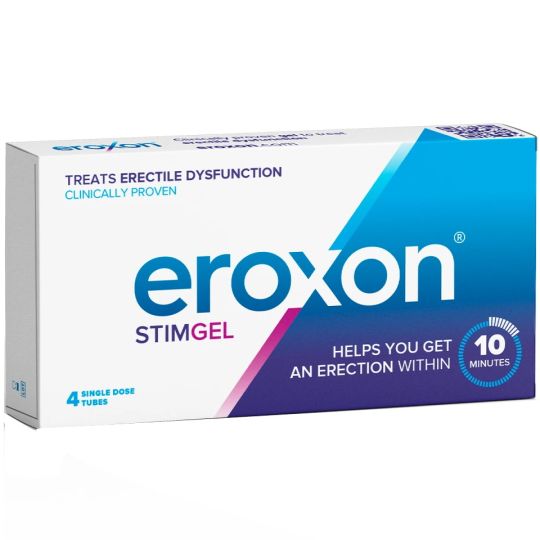


Typical Timeline for Viagra Effectiveness
Viagra generally begins working within 30-60 minutes after taking the tablet. However, some men may notice effects as early as 15-20 minutes, whilst others might need up to 2 hours. The medication reaches peak concentration in your bloodstream approximately 1 hour after taking it, which is when you're most likely to experience optimal effects.
Food and Alcohol Impact
Taking Viagra on an empty stomach typically results in faster absorption and quicker onset of action. Fatty or heavy meals can significantly delay how long it takes to work, sometimes by 1-2 hours. Alcohol can also affect the medication's effectiveness and may cause unwanted side effects like dizziness or low blood pressure. For best results, consider taking your dose 2-3 hours after eating a large meal.
Dosage Considerations
Your prescribed dosage affects both timing and effectiveness. The standard starting dose is 50mg, but your prescriber may adjust this to 25mg or 100mg based on your response and any side effects. Higher doses don't necessarily work faster, but they may provide more noticeable effects. Never exceed one dose per 24-hour period, regardless of the strength.
When Viagra Might Not Work as Expected
If Viagra isn't working as quickly as anticipated, several factors could be involved. Stress, anxiety, or underlying health conditions can affect its effectiveness. Certain medications, particularly those containing nitrates, create dangerous interactions and contraindicate Viagra use entirely. If you're not experiencing expected results after several attempts, consult with your prescriber about adjusting your treatment plan.
Viagra vs Sildenafil: Same Active Ingredient
Both branded Viagra and generic sildenafil contain the same active ingredient and work identically. The timing, effectiveness, and duration remain consistent between the two options. EverydayMeds offers both choices, allowing you to select based on your preference and budget whilst maintaining the same clinical benefits.


