
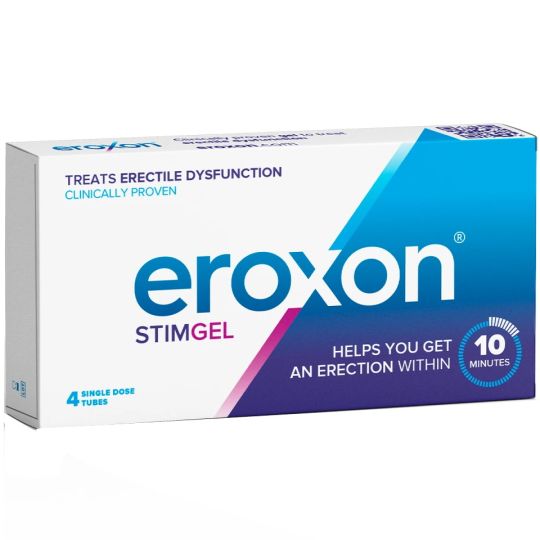
Eroxon Stimgel - 4 Pack
From £19.89
10% OFF
Overview
Account
Overview
Treatments
Account
Prescription-only medication. Supplied only if appropriate following an online consultation reviewed by a UK-registered prescriber.
From £19.89
From £3.99

From £28.99

From £22.99

From £27.99

From £44.99

From £23.99

From £8.49
From £32.99


When PDE5 is suppressed, blood is able to flow more freely through the body—including to the (you guessed it) penis.

More blood flow to the penis means harder, more satisfying erections once you're sexually stimulated.
It's one of the most common conditions we treat, and one of the most treatable.

Our process is designed by UK clinicians to make sure your Erectile dysfunction journey is safe, effective, and fully supported — end to end.

Select safe UK treatments. Quick answers.

Our expert team will use your consultation as the basis of our recommendation and communicate with you.

We'll deliver direct to you, as quickly as tomorrow.
Erectile dysfunction is a common condition that affects many men at different stages of life. It refers to ongoing difficulty getting or keeping an erection that is firm enough for sexual activity. While occasional erection problems can happen to anyone, persistent symptoms may be a sign that it is time to seek medical advice.
If you have been wondering what is erectile dysfunction, you are not alone. Many people have questions about why it happens, what causes it, and what treatment options are available. The good news is that there are several approaches that may help depending on your individual circumstances and overall health. Research suggests that around 41.5% of men in the UK experience erectile dysfunction, with prevalence increasing with age. It can affect adults of all ages, and there are many possible causes, ranging from underlying health conditions to everyday lifestyle factors. Learning more about the condition can help you understand your symptoms and explore suitable treatment options.
Learning more about erectile dysfunction can make it easier to understand what may be contributing to your symptoms and what steps you can take next. This guide explains the condition, possible erectile dysfunction causes, common symptoms, available treatment options, and when to seek erectile dysfunction help.
Many people ask, what is erectile dysfunction, especially when they begin experiencing changes in their sexual health. Erectile dysfunction, often shortened to ED, is the inability to consistently get or maintain an erection that is firm enough for sexual activity.
An erection is the result of several body systems working together. Signals from the brain, healthy nerves, blood vessels, hormones, and emotional wellbeing all play an important role. If one or more of these processes is affected, it may become more difficult to achieve or keep an erection.
It is important to remember that occasional erection difficulties are common and do not always mean you have erectile dysfunction. Tiredness, stress, alcohol, or temporary illness can all affect sexual performance from time to time. However, if erection problems happen regularly over several weeks or months, they may indicate an underlying condition that should be assessed by a healthcare professional.
Erectile dysfunction can affect confidence, relationships, and emotional wellbeing. Some people avoid talking about their symptoms because they feel embarrassed or assume it is simply part of getting older. In reality, erectile dysfunction can affect adults of different ages and may sometimes be linked to other health conditions that benefit from medical attention.
Seeking advice does not necessarily mean you will need medication. Understanding the cause of your symptoms is often the first step towards finding a treatment approach that is appropriate for you.
If you have been wondering how common is erectile dysfunction, the answer may be reassuring. Erectile dysfunction is one of the most common sexual health conditions affecting men.
The likelihood of experiencing erectile dysfunction generally increases with age, but it is not considered an inevitable part of ageing. Many younger men also experience erection problems, and these may be related to stress, anxiety, lifestyle factors, or underlying medical conditions.
Several long term health conditions that become more common with age can also increase the likelihood of erectile dysfunction. These include diabetes, high blood pressure, heart disease, obesity, and hormonal changes. Certain medicines and lifestyle habits may also play a role for some people.
Research has shown that erectile dysfunction can affect adults of all ages. One UK study found that around 29.3% of men aged 18 to 39 years experience erectile dysfunction, while the figure rises to 45.6% among men aged 40 years and over. Although age is an important factor, erectile dysfunction is not considered an inevitable part of getting older.
Feelings of embarrassment, uncertainty, or concern about discussing sexual health often delay treatment. Speaking to a healthcare professional can help identify possible causes and discuss suitable options based on your health and medical history.
It is also worth remembering that erectile dysfunction can sometimes be an early sign of another health condition. This is one reason why persistent symptoms should not be ignored.

The symptoms of erectile dysfunction can vary from person to person. Some people experience symptoms occasionally, while others notice ongoing changes that affect their sexual confidence and relationships.
One of the most common signs of erectile dysfunction is finding it difficult to get an erection when you want one. Others may be able to get an erection but find that it does not last long enough for sexual activity. Some men also notice that their erections are not as firm as they used to be.
These symptoms may develop gradually or appear more suddenly, depending on the underlying cause. Some people notice that they only experience erection problems in certain situations, while others experience symptoms more consistently.
Occasional erection difficulties are common and may happen because of tiredness, stress, drinking alcohol, or temporary illness. Persistent symptoms that continue for several weeks or become more frequent are more likely to require medical assessment.
It is also important to consider whether other symptoms are present. For example, reduced sexual desire, changes in mood, tiredness, or symptoms of long term health conditions may provide useful information when discussing your health with a healthcare professional.
Seeking advice early can help identify whether there is an underlying cause that should be addressed and whether a suitable treatment for erectile dysfunction may be appropriate.
There is no single cause of erectile dysfunction. For many people, it develops because of a combination of physical health, emotional wellbeing, lifestyle habits, and age related changes. Understanding the possible erectile dysfunction causes can help you and your healthcare professional identify the most suitable approach to managing the condition.
Getting an erection is a complex process that involves the brain, nerves, hormones, blood vessels, and muscles working together. If one or more of these systems is affected, it may become more difficult to achieve or maintain an erection.
In some cases, erectile dysfunction develops gradually over time. In others, it may appear more suddenly. The cause is not always obvious, which is why a medical assessment can be an important step if symptoms continue.
Many physical health conditions can affect blood flow, nerve function, or hormone levels, all of which play a role in getting and maintaining an erection.
Some of the more common physical causes include:
Diabetes can affect both the blood vessels and the nerves that are involved in achieving an erection. People with diabetes may be more likely to experience erectile dysfunction, particularly if blood sugar levels have been difficult to manage over time.
Healthy blood flow is essential for an erection. High blood pressure may affect the blood vessels, making it harder for enough blood to reach the penis during sexual arousal.
Conditions that affect the heart or circulation may also affect the blood supply needed for an erection. In some people, erectile dysfunction may appear alongside cardiovascular conditions or become one of several symptoms affecting overall health.
High cholesterol can contribute to narrowing of the arteries, reducing blood flow throughout the body, including to the penis.
Carrying excess weight may increase the likelihood of several health conditions that are linked with erectile dysfunction, including diabetes, high blood pressure, and heart disease. Maintaining a healthy weight may also support overall wellbeing.
Hormones, particularly testosterone, play a role in sexual health. Low testosterone levels do not cause every case of erectile dysfunction, but hormonal changes may contribute to symptoms in some individuals.
The brain and nervous system send signals that trigger an erection. Conditions that affect these signals, such as multiple sclerosis, Parkinson's disease, or spinal cord injuries, may affect erectile function.
Surgery involving the pelvis, bladder, or prostate, as well as injuries affecting the pelvic area or spinal cord, may sometimes affect the nerves or blood vessels involved in erections.
Some prescribed medicines may contribute to erection problems in certain people. This does not mean everyone taking these medicines will experience erectile dysfunction, and you should not stop taking prescribed medication without speaking to a healthcare professional.
Physical health is only one part of the picture. Emotional wellbeing and mental health can also have a significant impact on sexual function.
For some people, psychological factors are the main cause of erectile dysfunction. Others may experience a combination of physical and emotional factors.
Common psychological causes include:
Everyday pressures related to work, finances, family life, or major life events can affect sexual performance. When stress becomes ongoing, it may become more difficult to relax during intimate moments.
General anxiety or concerns about sexual performance may interfere with the body's normal response to sexual stimulation. Some people experience a cycle where one episode of erection difficulty leads to worry about future sexual activity, which can make symptoms continue.
Depression can affect mood, energy levels, interest in sex, and overall wellbeing. It may also contribute to erection problems for some individuals.
Communication difficulties, unresolved conflict, or emotional distance within a relationship may sometimes affect intimacy and sexual confidence.
Feeling self conscious about sexual performance, body image, or previous experiences may also influence erectile function.
Looking after emotional wellbeing is an important part of managing erectile dysfunction. In some situations, counselling or talking therapies may be recommended alongside other treatment options.
Daily habits can also play a role in sexual health. While lifestyle factors are not always the sole cause of erectile dysfunction, they may contribute to symptoms or affect overall wellbeing.
Some examples include:
Smoking can affect blood vessels throughout the body, including those involved in achieving an erection.
Drinking large amounts of alcohol, particularly over a long period, may affect sexual performance for some people.
Some recreational drugs can interfere with the body's normal sexual response and may contribute to erection problems.
Regular physical activity supports heart health, circulation, and overall wellbeing. A sedentary lifestyle may increase the likelihood of health conditions associated with erectile dysfunction.
Sleep is important for hormone regulation and general health. Ongoing sleep problems may affect energy levels, mood, and sexual wellbeing.
Balancing work, family responsibilities, and everyday demands can leave little time for rest or self care. For some people, reducing stress and improving sleep may form part of an overall management plan.
Lifestyle habits may also play a role. Research has found that people experiencing erectile dysfunction are more likely to smoke, drink alcohol, and be overweight than those without the condition. Looking after your overall health may help reduce some of the factors associated with erectile dysfunction.
A UK research study found that men with erectile dysfunction were more likely to smoke, consume alcohol, and be overweight than men without erectile dysfunction, highlighting the role that lifestyle factors may play alongside other physical and psychological causes.
Some medicines have been associated with erectile dysfunction in certain individuals. This does not mean they will affect everyone, and any concerns should be discussed with the healthcare professional who prescribed them.
Medicines that may be linked with erection problems include some treatments used for high blood pressure, depression, anxiety, and other long term health conditions. The benefits of continuing prescribed treatment often outweigh the potential risk of side effects, so it is important not to stop taking medication without medical advice.
There have also been rare reports of erectile dysfunction and reduced libido in people taking isotretinoin, a medicine used to treat severe acne. If you notice new symptoms after starting any medicine, speak to your healthcare professional for advice rather than making changes yourself.
If you have persistent symptoms, a healthcare professional can assess your overall health to better understand what may be contributing to your erectile dysfunction.
Diagnosis usually begins with a conversation about your symptoms, medical history, and general health. The aim is to identify possible causes and determine whether any further investigations or treatment may be appropriate.
During a consultation, you may be asked about:
Depending on your symptoms and medical history, your healthcare professional may also recommend a physical examination or arrange blood tests. These tests can help check for conditions such as diabetes, high cholesterol, hormone changes, or other health concerns that may be linked with erectile dysfunction.
Because erectile dysfunction can sometimes be associated with other medical conditions, identifying any underlying cause is an important part of deciding on the most suitable treatment approach.
Seeking advice early may also provide reassurance and help answer any questions you have about your symptoms and available treatment options.

If you have been diagnosed with erectile dysfunction, there are several treatment options that may be considered. The most suitable treatment for erectile dysfunction will depend on your symptoms, general health, medical history, and any underlying conditions that may be contributing to the problem.
For some people, treatment may involve medication. Others may benefit from lifestyle changes, support for their mental wellbeing, or a combination of approaches. Your healthcare professional will recommend an option based on your individual needs.
NICE BNF guidance explains that treatment for erectile dysfunction should be based on the underlying cause, individual health needs, and any existing medical conditions, with lifestyle measures and management of contributing conditions considered alongside treatment where appropriate.
Finding the right treatment can take time, and what works well for one person may not be the best choice for someone else. Having an open discussion about your symptoms and expectations can help you make an informed decision.
Prescription medicines are a common treatment option for erectile dysfunction. These medicines belong to a group called PDE5 inhibitors and are designed to support the body's natural response to sexual stimulation.
It is important to know that these medicines do not automatically cause an erection. Sexual arousal is still needed for them to work as intended.
Different medicines are available, and they vary in how quickly they begin to work and how long their effects may last. A healthcare professional can help determine which option may be appropriate based on your health and any medicines you already take.
Some medicines may not be suitable for people with certain heart conditions or for those taking nitrate medicines. This is why a medical assessment is an important part of choosing treatment safely.
Your prescriber may also discuss:
Always follow the instructions provided with your medicine and read the patient information leaflet before use.
Oral medicines may not be suitable or effective for everyone. Depending on the cause of erectile dysfunction, other treatment options may be discussed with a healthcare professional or specialist.
A vacuum erection device uses gentle suction to draw blood into the penis, helping to create an erection. A small ring is then placed around the base of the penis to help maintain the erection during sexual activity.
Some prescription medicines can be injected into the side of the penis shortly before sexual activity. These treatments are usually recommended after assessment by a specialist and require guidance on how to use them safely.
Certain medicines may be placed into the urethra using a specially designed applicator. These treatments are not suitable for everyone and are generally considered in specific situations.
For people whose symptoms have not improved with other treatments, a penile implant may be discussed by a specialist. This involves surgery and is usually considered only after other treatment options have been explored.
Your healthcare professional will explain the benefits, risks, and suitability of each option if further treatment is needed.
While lifestyle changes may not replace medical treatment, they can play an important role in supporting overall health and may form part of a wider treatment plan.
Regular physical activity supports heart health, circulation, and overall wellbeing. Finding activities you enjoy can make it easier to stay active over time.
Being overweight can increase the likelihood of conditions such as diabetes and high blood pressure, which may contribute to erectile dysfunction. If appropriate, achieving and maintaining a healthy weight may support your overall health.
Smoking can affect blood vessels throughout the body. If you smoke, stopping may benefit your long term health, including your cardiovascular health.
Drinking alcohol in moderation may help reduce one of the lifestyle factors that can contribute to erection problems in some people.
Stress is a common part of everyday life, but ongoing stress can affect both physical and emotional wellbeing. Finding healthy ways to manage stress, such as relaxation techniques, mindfulness, or regular exercise, may be beneficial.
Good quality sleep supports hormone production, energy levels, and overall wellbeing. If you regularly struggle with sleep, speaking to a healthcare professional may be helpful.
Lifestyle changes are often most effective when combined with appropriate medical advice and treatment where needed.
Like all medicines, treatments for erectile dysfunction can cause side effects, although not everyone experiences them.
The type and likelihood of side effects can vary depending on the medicine prescribed and individual factors such as your general health and any other medicines you take.
Most side effects are temporary and may improve as the medicine leaves your system. If side effects become troublesome or you have concerns about your treatment, speak to your healthcare professional or pharmacist.
Some side effects may require prompt medical attention. Always read the patient information leaflet supplied with your medicine and follow the advice provided by your prescriber.
Do not take more than the recommended dose, and do not combine erectile dysfunction medicines unless advised by a healthcare professional.
Treatment does not always involve medication alone. Depending on the cause of your symptoms, other forms of erectile dysfunction help may be recommended alongside or instead of medicines.
If stress, anxiety, or emotional wellbeing are contributing to your symptoms, talking therapies or counselling may be helpful. Working with a qualified therapist can provide strategies to manage these challenges and improve confidence.
When erectile dysfunction affects a relationship, some couples find it helpful to attend counselling together. Open communication can help reduce misunderstandings and create a supportive environment.
Conditions such as diabetes, high blood pressure, or high cholesterol may contribute to erectile dysfunction. Following the treatment plan recommended by your healthcare professional is an important part of managing your overall health.
Small changes such as exercising regularly, eating a balanced diet, reducing alcohol, and getting enough sleep may support overall wellbeing.
Many supplements are marketed for sexual health, but their quality, ingredients, and effectiveness can vary. Some products may also interact with prescribed medicines or contain ingredients that are not listed on the label.
For this reason, it is advisable to speak to a healthcare professional before taking supplements or herbal products for erectile dysfunction.

Many people delay seeking help because they feel embarrassed or assume that erectile dysfunction is something they simply have to live with. Speaking to a healthcare professional can provide reassurance and help you understand what may be causing your symptoms.
Depending on your individual circumstances, seeking treatment may help you:
Every person's experience with erectile dysfunction is different, which is why treatment plans are tailored to the individual rather than using the same approach for everyone.
If you are considering treatment, many regulated UK online pharmacies offer a convenient way to access prescription medicines following an online medical assessment.
You will usually be asked to complete a confidential health questionnaire covering your symptoms, medical history, and any medicines you currently take. A qualified prescriber reviews this information to determine whether treatment is appropriate.
If a prescription is considered suitable, your medicine can be supplied with clear instructions for use and a patient information leaflet. Orders are typically sent in discreet packaging to help protect your privacy.
When buying medicines online, always choose a registered UK pharmacy. This helps ensure that any treatment supplied has been prescribed appropriately and that you have access to professional advice if you have questions about your medication.


Everything you need to know about this clinic.