Ordering Sildenafil Tablets and Choosing the Right Pack Size
An order for sildenafil does not behave like an ordinary online purchase, and that usually becomes obvious at the point where someone has submitted their order and nothing appears to be happening.
Nothing has gone wrong. What is happening is the part that makes the supply lawful: a prescriber is reading your answers and deciding whether treatment is appropriate, at what strength, and in what quantity. Until that decision exists, there is nothing to dispense.
This page explains that process. It covers how quantity is decided, what the prescriber is looking at, what each confirmation email means, why orders stall and how to get them moving, what arrives in the parcel, and how reordering differs from ordering the first time.
Key things to know
- Quantity is a prescribing decision tied to a review interval, not a basket choice
- A prescriber can authorise less than you requested, and that is a normal outcome rather than a rejection
- Clinical review can take place between ordering and dispatch, depending on the medicine and supply route
- If information is missing or unclear, the pharmacy or prescriber may need to contact you before supply
- A declined request is a legitimate result of a clinical assessment
- Repeat requests may require another clinical review rather than being automatically reissued
- Treatment suitability depends on an individual clinical assessment
Why Pack Size Is Not Yours to Pick
With prescription-only medicines, the quantity supplied is determined by the prescription rather than chosen from an online basket.
A prescriber considers whether treatment is appropriate and what quantity suits the individual. The pharmacy then dispenses in line with the prescription.
Where a pharmacy medicine is being supplied, the pharmacist follows the relevant requirements for that product and decides whether supply is appropriate.
What a Review Is For
A clinical review gives the healthcare professional an opportunity to check whether treatment is still appropriate.
That can be particularly useful when treatment is being started, when there are other medicines or health conditions to consider, or when the response or side effects need discussing.
The timing and frequency of any follow-up depend on your circumstances and the healthcare professional's clinical judgement.
When a Prescriber Authorises Less Than You Asked For
A prescriber may authorise a smaller quantity than you requested if they consider a shorter supply more appropriate.
That could be because treatment is new, more information is needed, there are health or medication factors to consider, or follow-up is appropriate before a longer supply is provided.
A smaller quantity does not mean your treatment has been rejected.
Asking to Change the Quantity
You can ask. The request goes to the prescriber rather than to customer service, and it is answered clinically.
What makes it likely to succeed is evidence that treatment is stable: you have used it across a reasonable number of occasions, the effect is consistent, side effects are absent or settled, and nothing has changed in your other medicines or your blood pressure.
What makes it unlikely is asking too early in treatment.
What the Prescriber Is Checking
The assessment is not a formality, and knowing what it is looking for makes it faster to complete properly.
| Area | Why it is asked | What an unclear answer causes |
|---|---|---|
| Current medicines | Nitrates and related medicines are absolute exclusions | A follow-up question, or a decline |
| Cardiovascular history | A recent stroke or heart attack may be a contraindication, depending on the product and timing | A request for detail and dates |
| Blood pressure | Both low and uncontrolled high readings are contraindications | A request for a recent reading |
| Liver and kidney function | Affects how much medicine reaches the bloodstream | A possible strength adjustment |
| Eye conditions | Certain inherited retinal disorders rule treatment out | A follow-up question |
| Previous treatment | Shapes the strength and quantity authorised | A more conservative first supply |
The right-hand column is the useful one. Most stalled orders are not refusals. They are questions waiting for an answer.
Answering Well the First Time
Three simple habits help avoid unnecessary delays:
- List your medicines by name, including ones you take only occasionally
- Provide a recent blood pressure reading if the assessment asks for one
- Answer your medical questions fully and accurately, rather than leaving out information you think may not matter
What Happens Between Ordering and Dispatch
Confirmation arrives in stages, and the stages are not interchangeable. Knowing which one you are at tells you whether to wait or act.
- Order received. Your request has been taken. Nothing has been prescribed yet, and nothing has been dispensed
- Assessment submitted. Your answers are with a UK registered prescriber
- Prescriber decision. Treatment is authorised, a question is raised, or the request is declined
- Dispensed. The pharmacy prepares the supply against the prescription and applies your dispensing label
- Dispatched. The parcel leaves the pharmacy and tracking becomes available
The exact process depends on the medicine and how it is legally supplied. Prescription-only sildenafil requires an appropriate prescription before it can be dispensed, while pharmacy products follow the relevant pharmacist-led process.
Why No Tracking Number Has Appeared
If tracking has not appeared, the order may still be going through clinical review or dispensing.
Check your email, including your spam folder, in case the pharmacy or prescriber has asked for more information.
If the Request Is Declined
A declined request is a possible outcome of a clinical assessment. It may mean sildenafil is not considered appropriate based on the information provided, or that further medical assessment is needed.
Follow the advice provided by the healthcare professional. You may be advised to speak with your GP or another appropriate professional if further investigation is needed.
Delivery and What Arrives
Delivery can be as early as the next working day when an order is placed before the cut-off, to your home address or a local collection point.
The timing depends on the prescriber completing their review first, which is why a delivery estimate given at checkout covers the postal stage rather than the whole journey.
What the Outside Shows
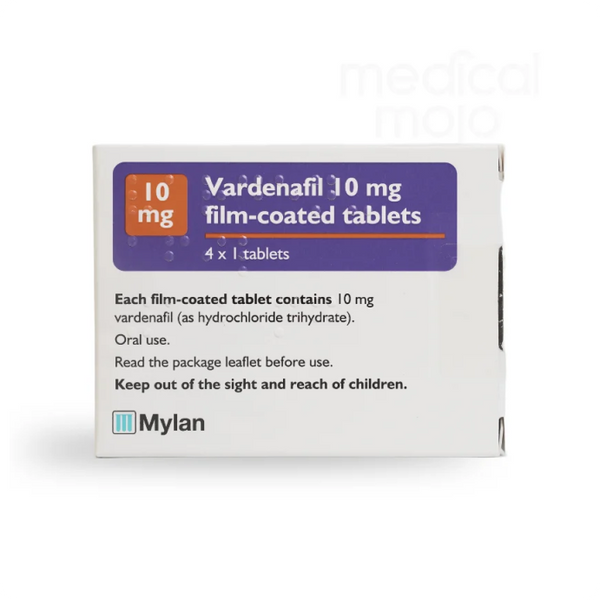
Nothing. Every order goes out in plain unbranded outer packaging, with no indication of the contents or of which pharmacy sent it, and nothing on the label that identifies the medicine.
A collection point is available for the same reason, if that suits you better than a home address.
What Should Be Inside
Two documents matter as much as the tablets.
The dispensing label carries your name and the instructions for your specific supply.
The patient information leaflet is the licensed information for the product, including the full list of side effects and what to do about them.
Follow the dispensing label and read the leaflet. If either is missing, or anything appears unclear or inconsistent, contact the pharmacy before taking anything.

If the Tablets Look Different From Last Time
This is the most common thing people query, and it almost never indicates a problem.
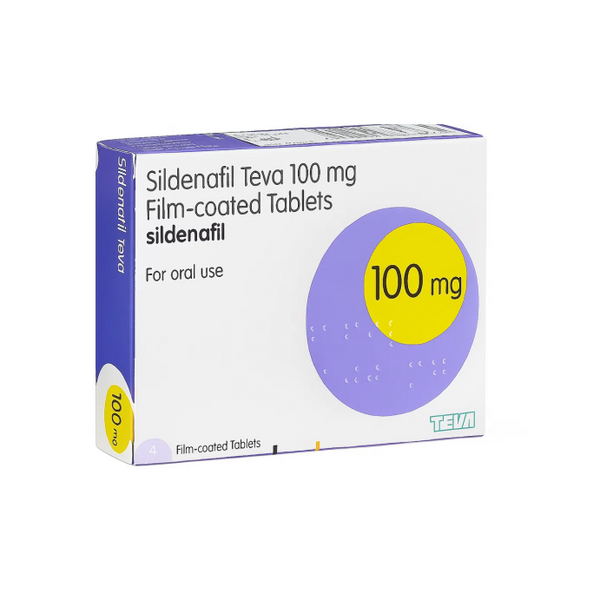
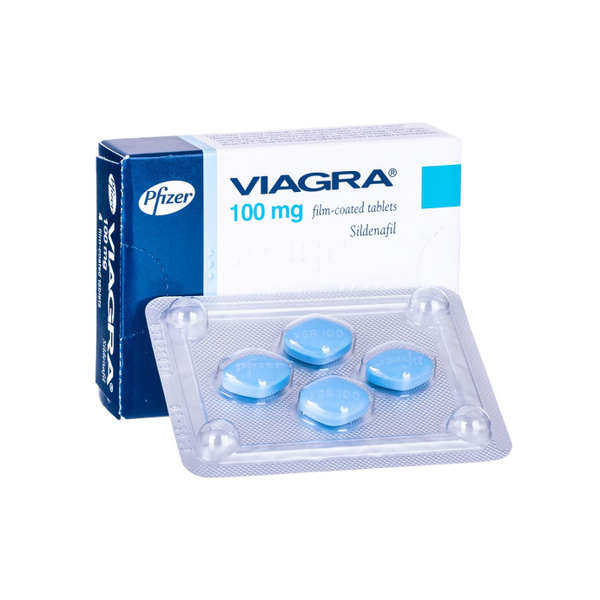
Licensed manufacturers produce tablets with different shapes, colours, markings and coatings, so a change in appearance does not by itself mean anything is wrong.
Check the name and strength on the dispensing label and packaging. If they do not match what you were expecting, contact the pharmacy before taking the medicine.
Reordering Is Not the Same as Ordering
A repeat request is reviewed rather than reissued, which catches people out when they expect a one-click reorder.
The prescriber is checking whether anything has changed since last time: new medicines, a new diagnosis, a change in blood pressure, or a change in how treatment is working. Any of those can change what is appropriate.
Three things make a reorder straightforward:
- Report honestly how the previous supply went, including if it did not work well
- Flag anything new you have started taking, even short courses
- Keep a request for a larger quantity separate from reporting a problem. They are two different conversations
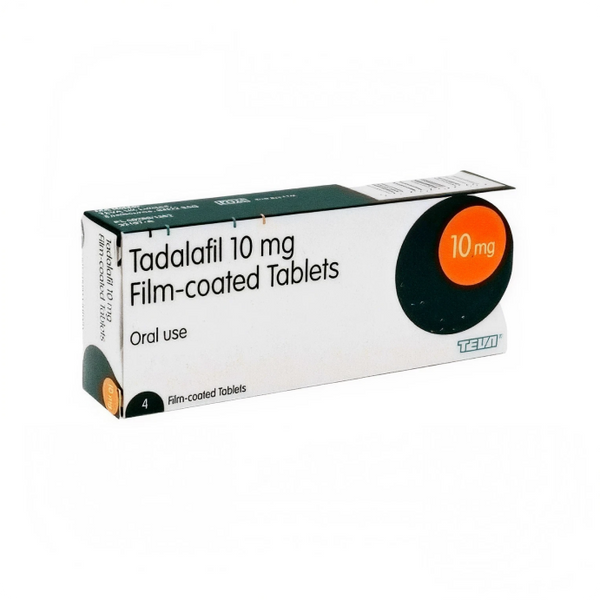
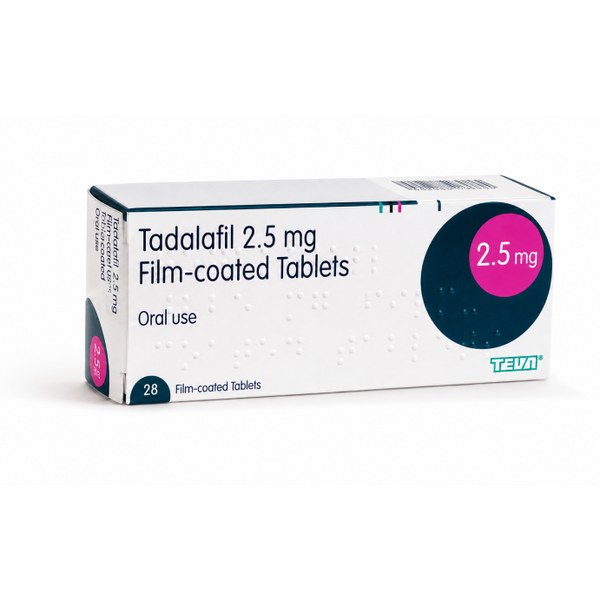
Where a strength has not worked across repeated proper attempts, that is information the prescriber needs. The response is a reassessment, never a self-directed change. Other licensed options exist, and the range is on our ED treatments page.
Things No Order Should Change
Some decisions sit outside the transaction entirely.
- The strength you take. Do not change your prescribed dose, or combine tablets to create a higher dose, unless a healthcare professional has specifically instructed you to
- How often you take it. Never more than one tablet in any 24-hour period, whatever quantity you hold
- Other medicines. Sildenafil must not be taken with nitrates or nitric oxide donors, and is contraindicated with riociguat. Nicorandil and other medicines affecting blood pressure also need considering by a healthcare professional
- Clinical assessment. Where an assessment or consultation is required for the product, it should take place before supply
Holding a larger pack does not change any of the above. Quantity is a supply period, not a permission.
Safety Points Attached to Every Supply
Tell the healthcare professional about all the medicines you take and any important health conditions, particularly cardiovascular problems, low blood pressure, a previous stroke or heart attack, and relevant eye conditions.
Seek urgent medical attention for chest pain, fainting, an erection lasting more than four hours, or a sudden loss or decrease of vision or hearing. If you develop chest pain after taking sildenafil, tell the healthcare professional treating you that you have taken it.
Timing, food and what affects the first dose are covered in our sildenafil 50mg guide.
Frequently Asked Questions
Can I choose which pack size I order?
Why was I authorised fewer tablets than I asked for?
Is there a minimum order quantity?
How long does the clinical review take?
Why has no tracking number appeared?
What happens if I am declined?
Can I reorder without filling anything in again?
How do I get a longer supply next time?
How quickly can it arrive?
Will the packaging show what it is?
Why do the tablets look different this time?
What should be in the parcel?
Buy Sildenafil 50mg Online Safely in the UK
Sildenafil 50mg: What to Expect From It
Related Posts


Order Sildenafil Citrate Online: Seller Checks

Sildenafil 20mg: Prices and Why It Is Different

Sildenafil Strengths and Costs: 150mg Warning

Sildenafil 50mg UK: What Changes the Price

Sildenafil 50mg: What to Expect From It